
The short answer
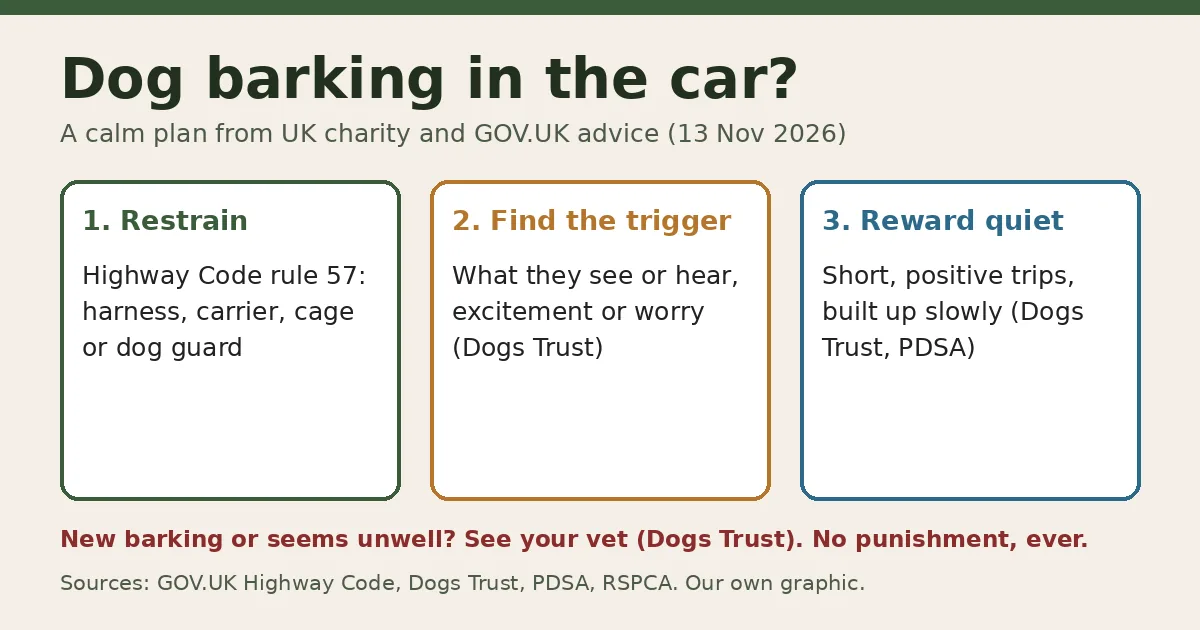
If you want to know how to stop your dog barking in the car, start by working out why they're barking. Dogs Trust says barking is likely to be about something your dog can see or hear, and it can also come from excitement, worry or frustration. Once you know the trigger, you can make the car calmer, reward quiet, and build up trips in small, positive steps. And before any of that, your dog needs to be safely restrained, as Highway Code rule 57 sets out.
This guide puts the UK charity advice from Dogs Trust, the PDSA and the RSPCA into a simple plan for the car. It uses kind, reward based methods only. No spray collars, no shouting and no punishment.
The short answer
- Find the trigger. Dogs Trust says to try to find out what causes the barking. In a car, that's often passing dogs, people, cyclists or traffic, or the excitement of heading somewhere fun.
- Restrain your dog safely. Highway Code rule 57 says dogs should be suitably restrained so they can't distract you or injure you or themselves if you stop quickly. It lists a seat belt harness, pet carrier, dog cage or dog guard.
- Make the car calmer. Reduce what your dog can see and hear, and keep journeys short to begin with.
- Reward quiet. Dogs Trust says to praise and reward calm, quiet behaviour, and to teach a calm alternative like settle.
- Build up slowly. The PDSA suggests getting your dog used to sitting in the parked car first, then short trips, then longer journeys, ending with something fun.
- See a vet if it's new. Dogs Trust says if your dog starts barking when they haven't before, it's important to see your vet, because sudden changes in behaviour can mean a medical problem.
Why dogs bark in the car
Dogs Trust's barking guide covers the main reasons dogs bark. Here's how they can show up on a car journey.
Alerting to things outside. Dogs Trust says dogs may bark at something they've seen, heard, felt or smelt, to let us know or to try to frighten it away. When the thing moves away, the dog thinks their barking worked. In a car, everything moves away. Every passing dog, jogger or lorry disappears a second later, so the dog can feel like the barking is working every time.
Excitement. Dogs Trust says lots of dogs bark when they feel excited or playful, so barking doesn't always mean they're unhappy. If your dog's car trips usually end at the woods or the beach, the car itself can become exciting.
Fear, frustration or stress. Dogs Trust says some dogs bark because they're worried or frustrated, and that frustration can happen when there are barriers to getting what they want. A dog in a crate or behind a dog guard who can see another dog through the window, but can't get to it, may bark out of frustration. Other dogs may simply be worried by the movement, the noise or feeling unwell.
Pain or feeling unwell. Dogs Trust says that if barking is new, it's important to see your vet, and that some dogs become sensitive to sounds when they're in pain. Feeling sick on a journey could also play a part. More on that below.
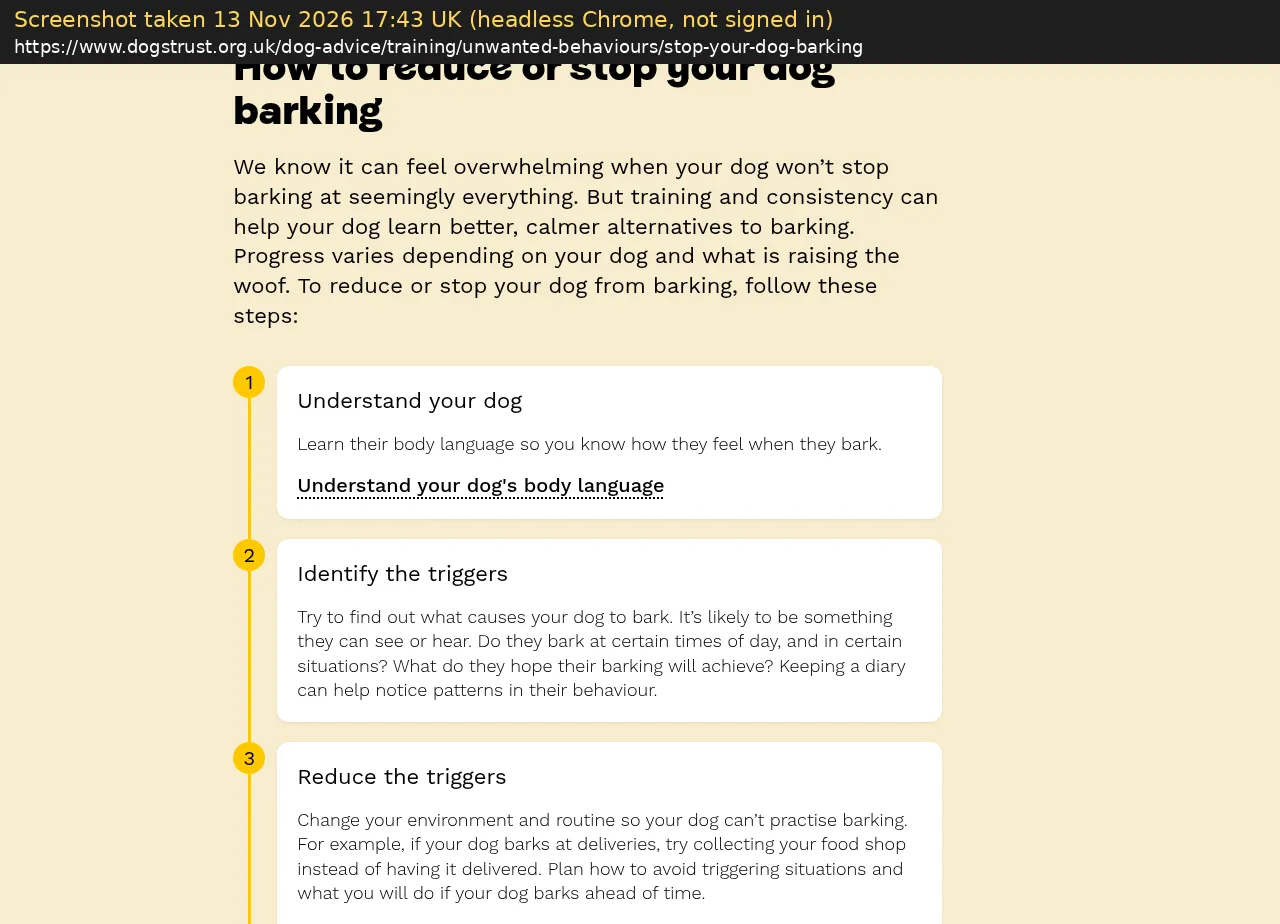
The best way to tell which one you're dealing with is to watch your dog. Dogs Trust suggests learning your dog's body language and keeping a diary to spot patterns. For a car, note when the barking starts, what's outside at the time, and where you were going.
Travel safely first
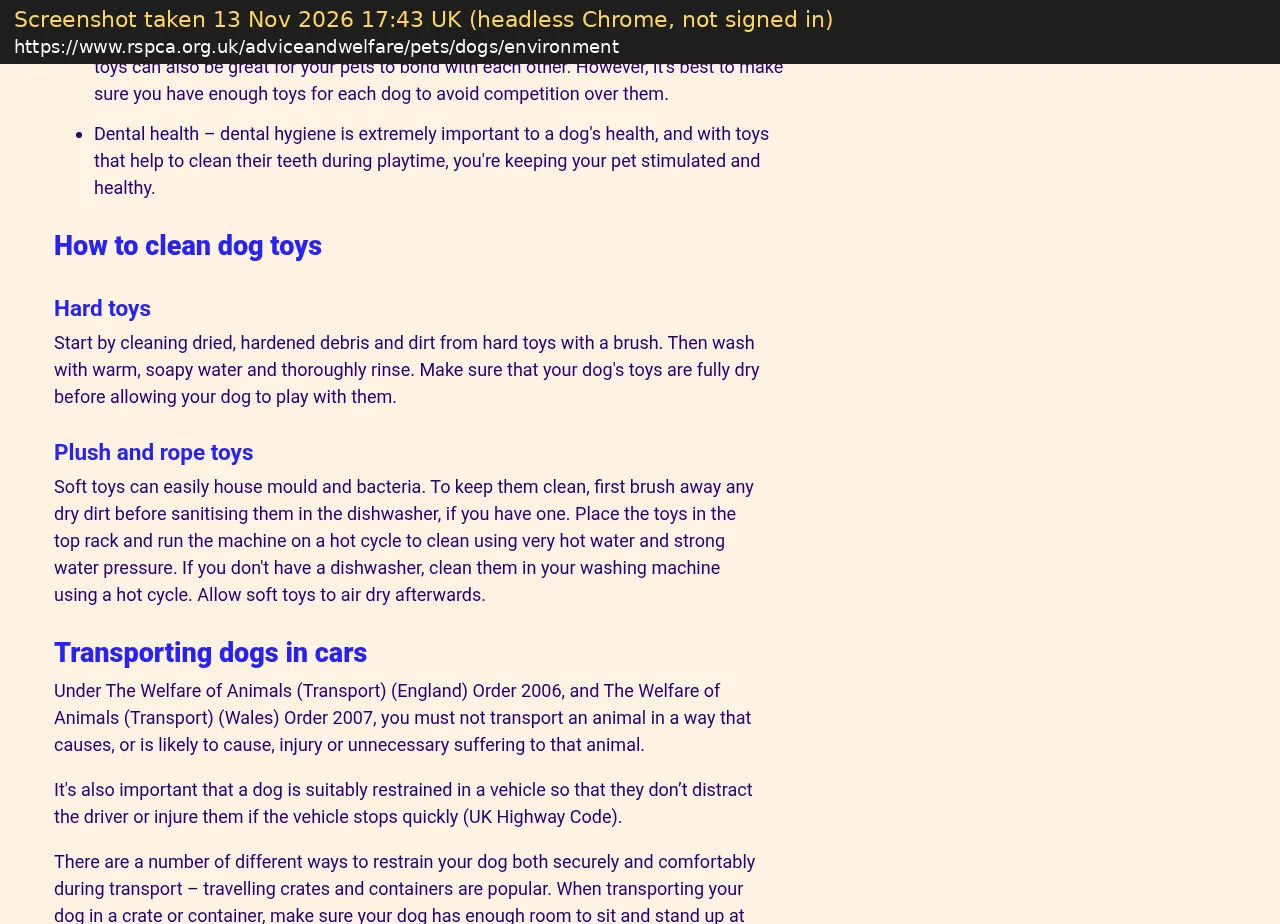
Before you work on the barking, make sure your dog is travelling safely. Highway Code rule 57 says that when in a vehicle you should make sure dogs or other animals are suitably restrained so they cannot distract you while you are driving or injure you, or themselves, if you stop quickly. It says a seat belt harness, pet carrier, dog cage or dog guard are ways of restraining animals in cars.
A barking, bouncing dog is exactly the kind of distraction rule 57 is about. So safe restraint isn't just a legal box to tick, it's part of the fix. A dog who can't move around the car also can't rush from window to window chasing every trigger.
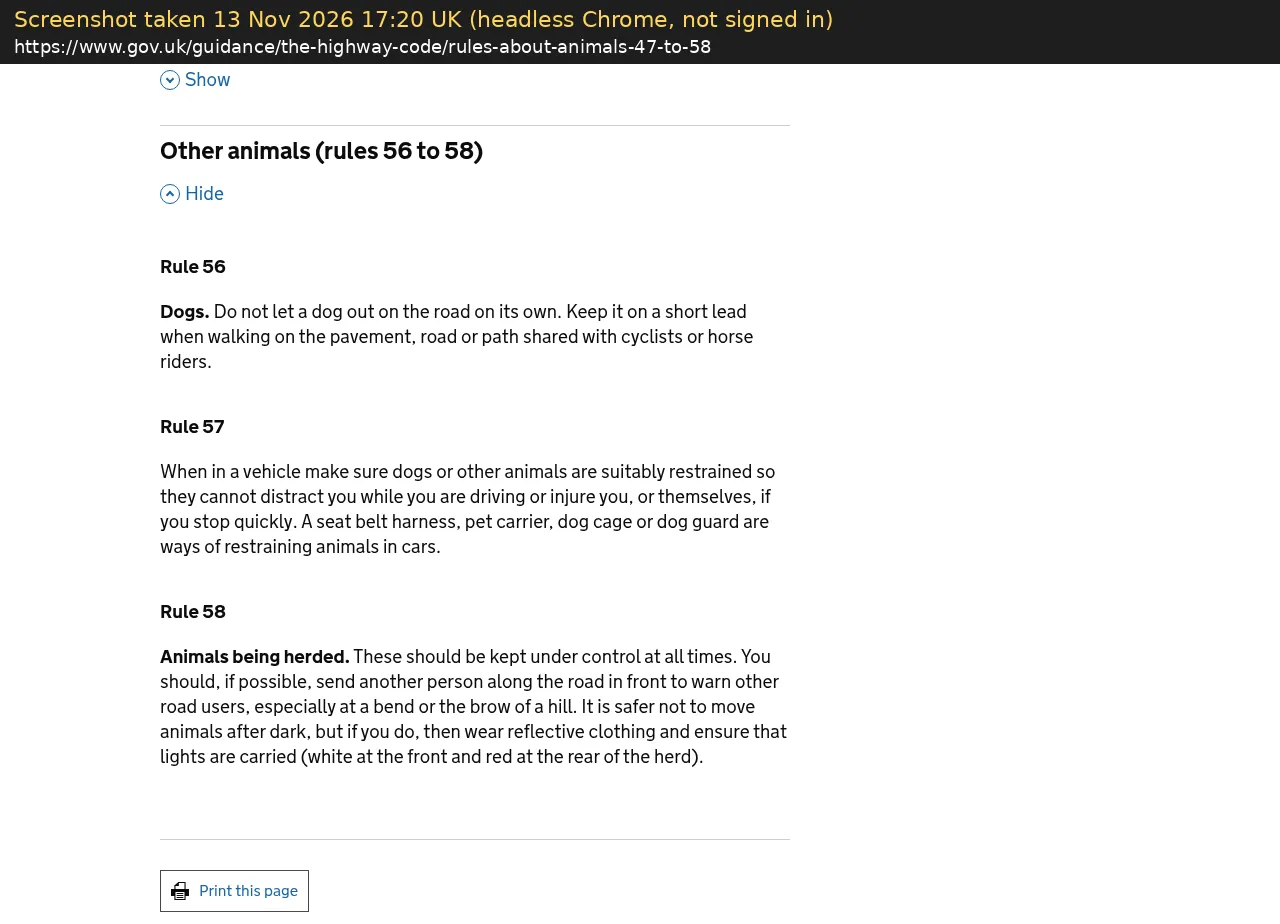
The RSPCA adds some useful detail on crates. It says a dog in a crate or container should have enough room to sit and stand up at full height, turn around easily and lie down in a natural position, should be able to see out, and should have enough ventilation and airflow. It also suggests bedding so your dog doesn't slip around. If you use a car harness that links into the seat belt, the RSPCA says to measure your dog, buy the right size and follow the fitting instructions.
The PDSA also warns that many car insurance policies require pets to be properly restrained, and a loose pet could break the terms of your insurance. Check your own policy.
If you're choosing a harness for walks as well, our guide to harness or collar for walking may help.
Step by step: build calm car trips
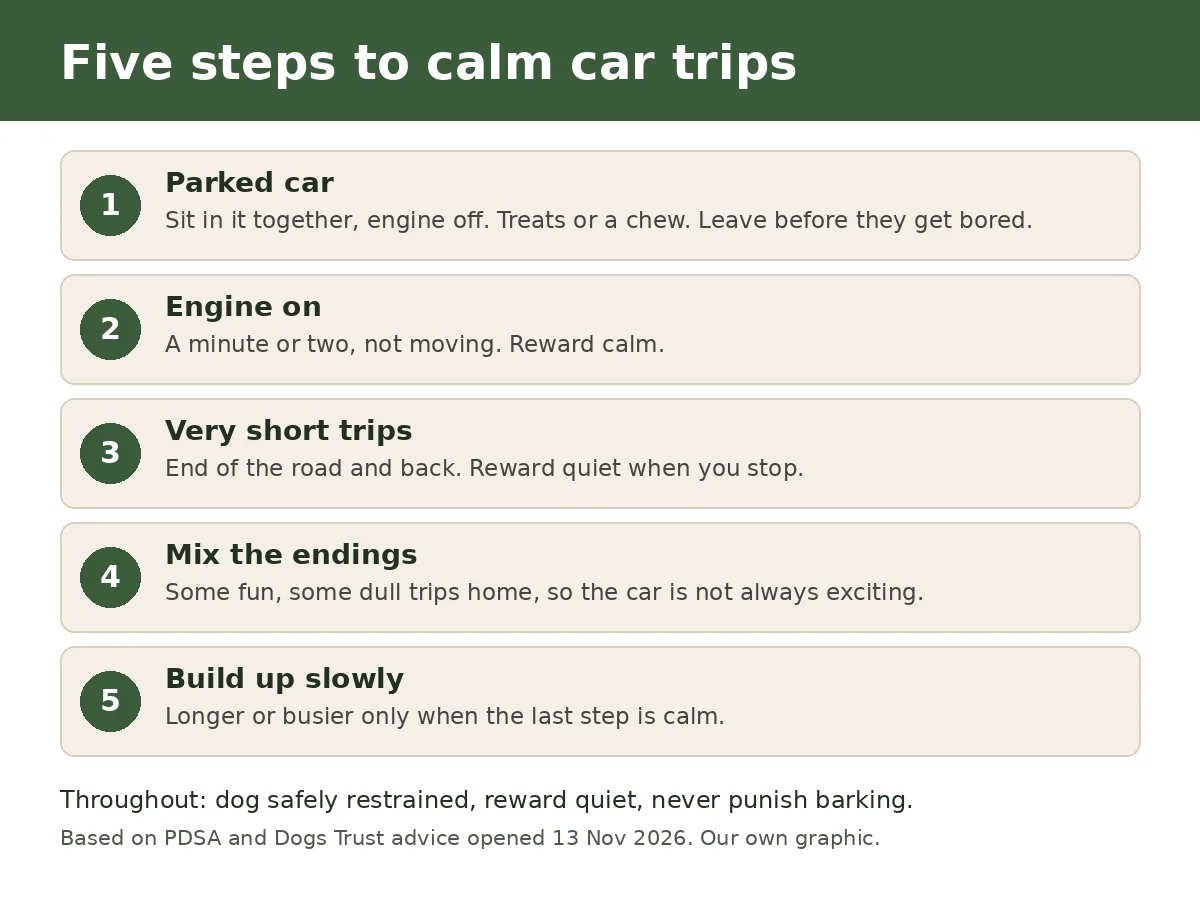
This plan takes the Dogs Trust steps for barking and the PDSA's advice on getting dogs used to the car, and puts them in order. Go at your dog's pace. Dogs Trust's tip is not to be afraid to make training easier to ensure success, because you can always build it back up.
Step 1: The parked car. The PDSA suggests starting by getting your dog used to sitting in the parked car with you. Engine off, doors open if it's safe. Give treats or a chew and let them settle. Get out before they get bored or worried.
Step 2: Engine on, not moving. Once they're relaxed in the parked car, sit with the engine running for a minute or two. Reward calm. If they bark, go back to step 1 for a few more sessions.
Step 3: Very short trips. The PDSA says to begin with short trips. Think to the end of the road and back. Keep it boring, keep it short, and reward quiet when you stop.
Step 4: End somewhere good, but not always the most exciting place. The PDSA suggests making the experience as positive as possible, for example ending with a treat, a walk or an exciting day out. If your dog's barking is about excitement, mix in plenty of dull trips that end back at home too, so the car doesn't always mean the best day ever.
Step 5: Build up slowly. The PDSA says you can then build up to longer journeys. Add a little more time or a busier road only when the last step is calm.
Throughout: reward quiet, teach a calm alternative. Dogs Trust says to praise and reward calm, quiet behaviour, and to teach alternatives to barking like settle. A settle on a familiar mat or blanket is a good one for the car. Practise it at home first, then in the parked car, then on short trips. If you're driving, you can't train at the same time, so for anything beyond the parked car stages, it helps to have a second person in the car to reward quiet moments.
Throughout: avoid a stressed start. Dogs Trust says stressed dogs are more likely to bark, and that after a stressful day you should assume they'll bark at all triggers for 24 to 48 hours. So don't plan a training trip straight after a vet visit, a fireworks night or a busy day.
Cut what they can see and hear
Dogs Trust's advice for barking at home includes changing the environment, such as covering windows so your dog can't bark at passers by. In a car, you have to balance that with safety and comfort.
- Think about where your dog rides. A dog who can see straight out of the side windows sees every passing trigger. A different position, within safe restraint, may give a calmer view.
- Don't fully cover a crate. The RSPCA says a dog in a crate should be able to see out and have enough ventilation and airflow. So don't throw a blanket over the whole crate. Keep airflow and some view open.
- Plan quieter routes while you're training, such as avoiding a busy park entrance at peak dog walking time.
Don't feed the barking with attention
Dogs Trust explains that telling a dog off, going over or making a fuss can accidentally reward barking, because the dog still gets our attention. In the car, that means:
- don't shout or turn round to tell your dog off
- wait for a quiet moment, then reward it
- if your dog barks for attention, Dogs Trust says to wait for them to stop before re-engaging
Never use spray collars, shock collars or anything that startles or hurts your dog. Dogs Trust says anti bark collars don't change the underlying emotion, they just stop communication, and can make dogs more anxious and bark even more.
Barking at the end of the journey
Some dogs are fine until the car slows down near a favourite walk. Dogs Trust says lots of dogs bark when they feel excited, so this is often excitement building. Some ideas:
- Mix up arrivals. Sometimes park and sit for a moment before getting out, sometimes go straight home.
- Wait for calm before the door opens. If the door opens while your dog is barking, the barking gets the reward. Wait for a quiet moment, then open the door.
- Keep your exit calm. Clip the lead on and get out slowly, rather than letting your dog burst out of the car.
Planning a bigger day out? See our dog adventure days.
Car sickness or fear?
Sometimes barking, whining or drooling in the car isn't about what's outside. Dogs Trust says some dogs bark because they're worried, and that a sudden change in behaviour can mean a medical problem. If your dog seems unwell on journeys, or the barking started suddenly, see your vet.
The PDSA's travel page also says that if your pet gets car sick, try not to feed them right before a car ride. Speak to your vet before giving your dog anything for car sickness.
Never leave a dog in a hot car
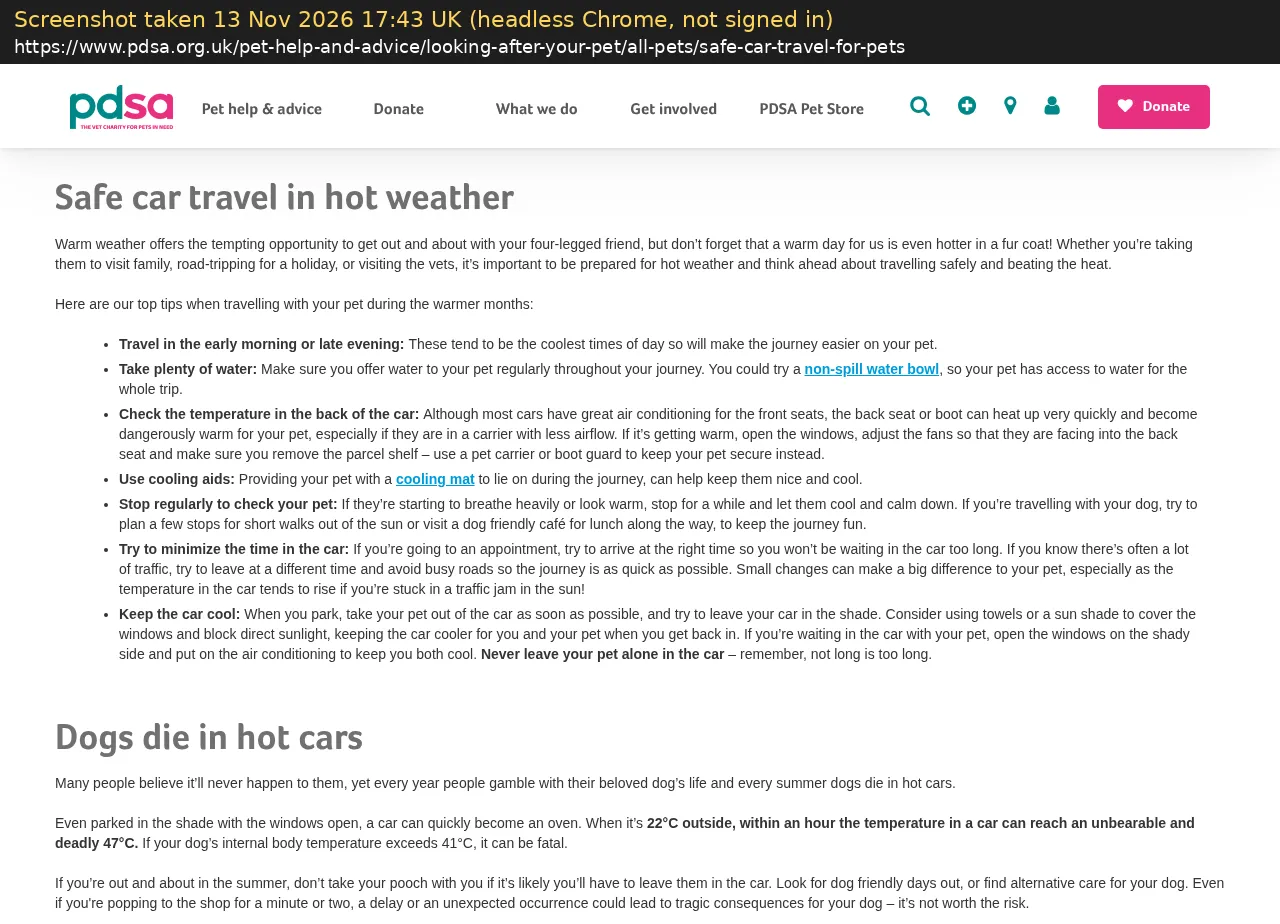
Working on car barking means more time in the car with your dog, so a reminder. The PDSA says never leave your pet alone in the car, and that not long is too long. It says that when it's 22°C outside, within an hour the temperature in a car can reach 47°C, and that if a dog's internal body temperature exceeds 41°C it can be fatal.
The PDSA says if you see a dog in a hot car showing signs of heatstroke, such as panting heavily, drooling a lot, being drowsy or uncoordinated, or collapsing or vomiting, dial 999 immediately.
On warm days the PDSA also suggests travelling early or late, when it's cooler, offering water regularly, and checking the temperature in the back of the car, which can heat up quickly. It also says not to let dogs stick their head out of the window.
The RSPCA says that under the Welfare of Animals (Transport) (England) Order 2006 and the Welfare of Animals (Transport) (Wales) Order 2007, you must not transport an animal in a way that causes, or is likely to cause, injury or unnecessary suffering to that animal.
When to get help
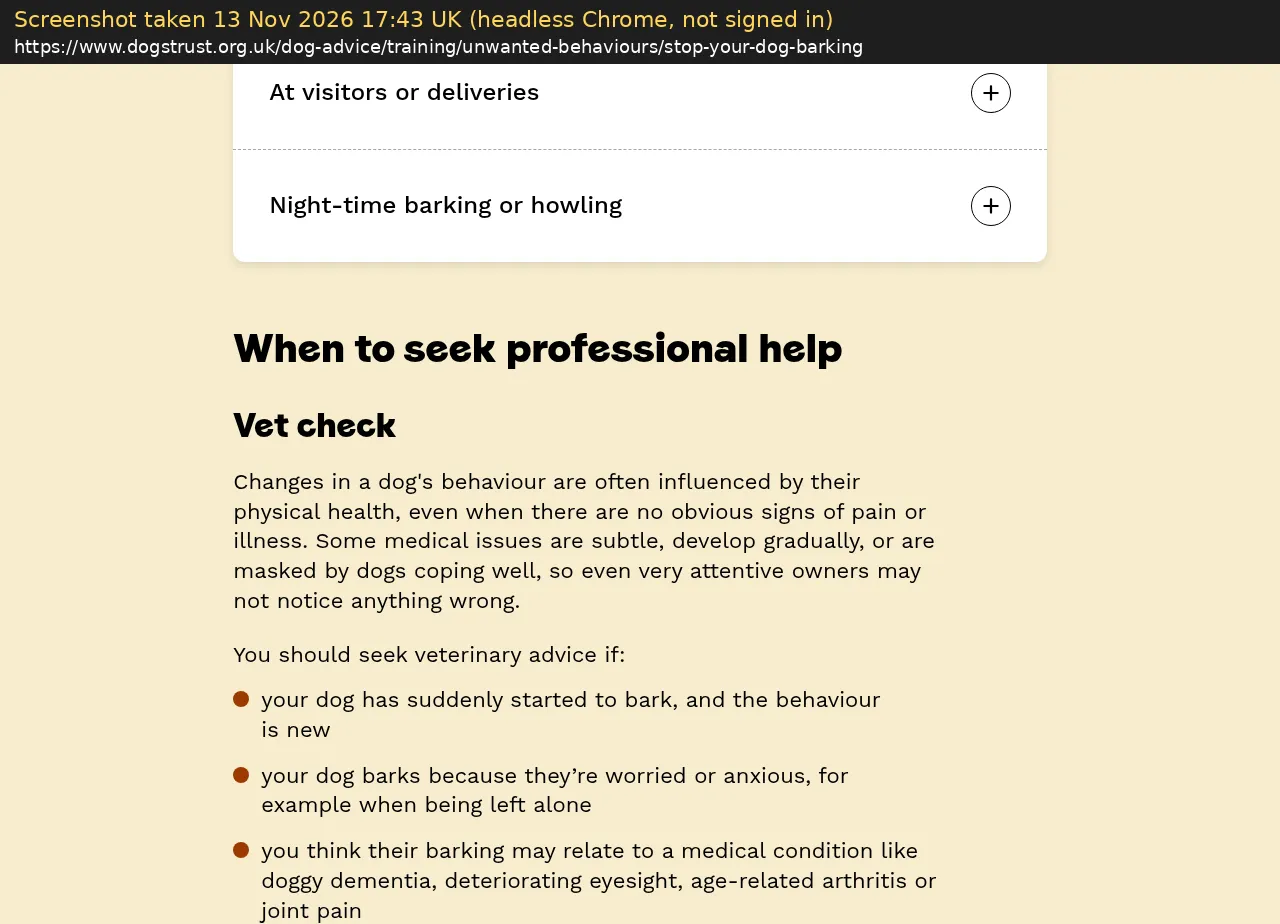
Dogs Trust says you should seek veterinary advice if:
- your dog has suddenly started to bark and the behaviour is new
- your dog barks because they're worried or anxious
- you think the barking may be linked to a medical condition, like joint pain or deteriorating eyesight
- your dog suddenly becomes sensitive to sound
It says a vet visit is a supportive first step, and can rule out medical causes. After that, if the barking isn't improving, or your dog seems frightened in the car, get help from a qualified behaviour professional. Dogs Trust runs a free Behaviour Support Line.
If your dog also barks or lunges at other dogs on walks, our reactive dog training page explains how we work in Heywood. For general manners, see dog training in Heywood.
How to stop your dog barking in the car: the bottom line
Work out what's setting your dog off, restrain them safely under Highway Code rule 57, make the car calmer, and reward quiet. Build up from the parked car to short trips to longer ones, at your dog's pace. Never punish barking, never leave your dog alone in the car, and see your vet if the barking is new or your dog seems unwell.
FAQs
Why does my dog bark in the car?
Usually because of something they can see or hear outside, like passing dogs or people, excitement about where they're going, or worry or frustration. Dogs Trust says sudden new barking can also mean a medical problem, so see your vet if it's new.
How do I calm my dog in the car?
Make sure they're safely restrained, keep early trips short, and reward calm, quiet behaviour. The PDSA suggests starting with the parked car, then short trips, then building up to longer journeys, and ending with something your dog enjoys.
Should my dog be in a crate in the car?
A crate is one option. Highway Code rule 57 lists a seat belt harness, pet carrier, dog cage or dog guard as ways to restrain animals in cars. The RSPCA says a crate should let your dog sit and stand at full height, turn around, lie down naturally, see out and get enough airflow.
Is it illegal to have a dog loose in the car?
Highway Code rule 57 says dogs should be suitably restrained so they can't distract you or injure you or themselves if you stop quickly. The PDSA also says a loose pet could break the terms of your car insurance. Check your policy, and always restrain your dog.
Can car sickness make a dog bark?
Feeling unwell may make some dogs more unsettled in the car. Dogs Trust says sudden changes in behaviour can mean a medical problem, so if your dog seems sick on journeys or the barking is new, see your vet before you start training.
The Dog Geezer
Need a hand in Heywood or Bury?
If you’d like hands-on help to stop your puppy pulling on the lead, have a look at dog walking in Heywood and dog walking in Bury, or 1-to-1 dog training in Heywood for lead manners, and get on the waiting list. Fully insured and DBS-checked.
Cheers, James